



MIFE-conference on the topic “Financial Literacy in the Age of Digitalisation”
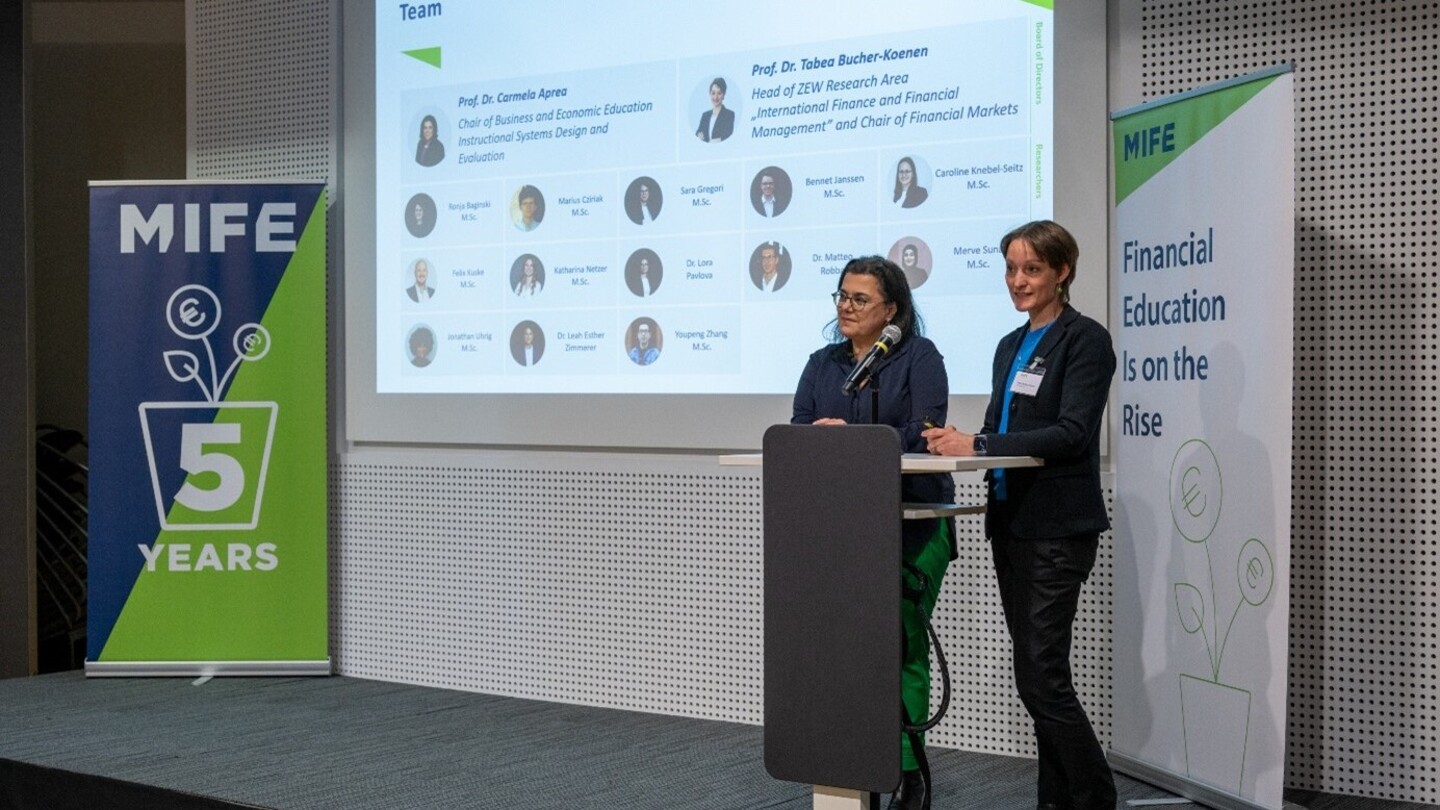
The 5th annual conference of the MIFE took place on November 19 at ZEW Mannheim and focused on the topic of “Financial Literacy in the Age of Digitalization.” 120 registered conference participants discussed current scientific contributions on the role of robo-advisors, digital games, and technologies in financial education. In addition to the role of the Deutsche Bundesbank in financial education, the strategy paper on financial education in the European Union published by the European Commission in September was also discussed.
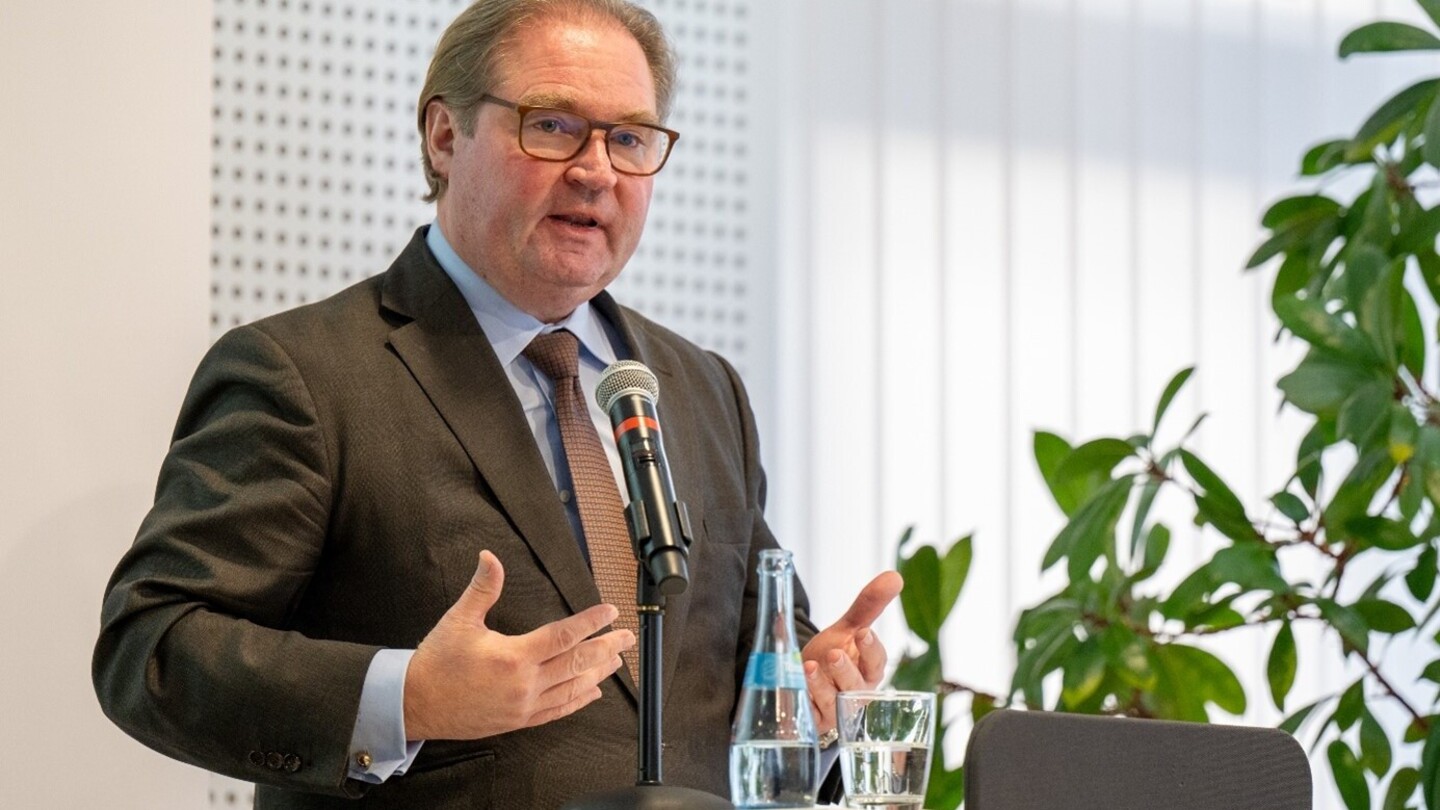
In the first keynote speech, Lutz Lienenkämper (Deutsche Bundesbank) explained the role of the Deutsche Bundesbank in financial education in Germany. He also discussed the importance of financial education for consumers in Germany. He emphasized that financial education and new ways of communicating knowledge are important in enabling people to better understand and contextualize monetary policy, also regarding the digital euro as a common European means of payment.
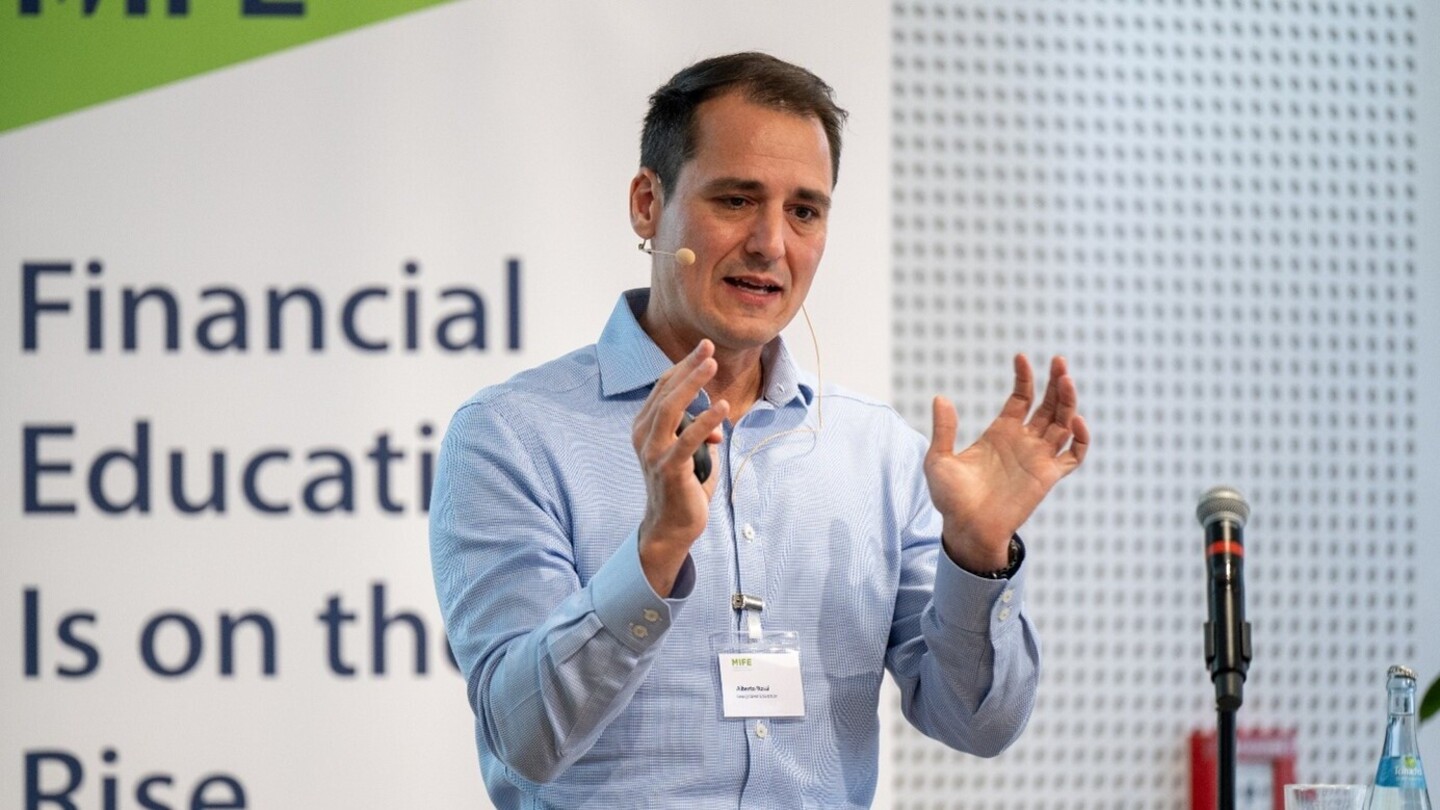
Prof. Alberto G. Rossi, Ph.D. (Georgetown University, USA) emphasized the progress and challenges of robo-advisors in the second keynote speech. His research examines how robo-advisors can be used to help private households make better financial decisions. He concluded that automation is particularly useful when tasks are complex but repetitive and clearly rule-based. Financial education remains important when people need to understand risks, plan for the long term, and make difficult trade-offs. Hybrid approaches that combine knowledge transfer with targeted automation are most effective.
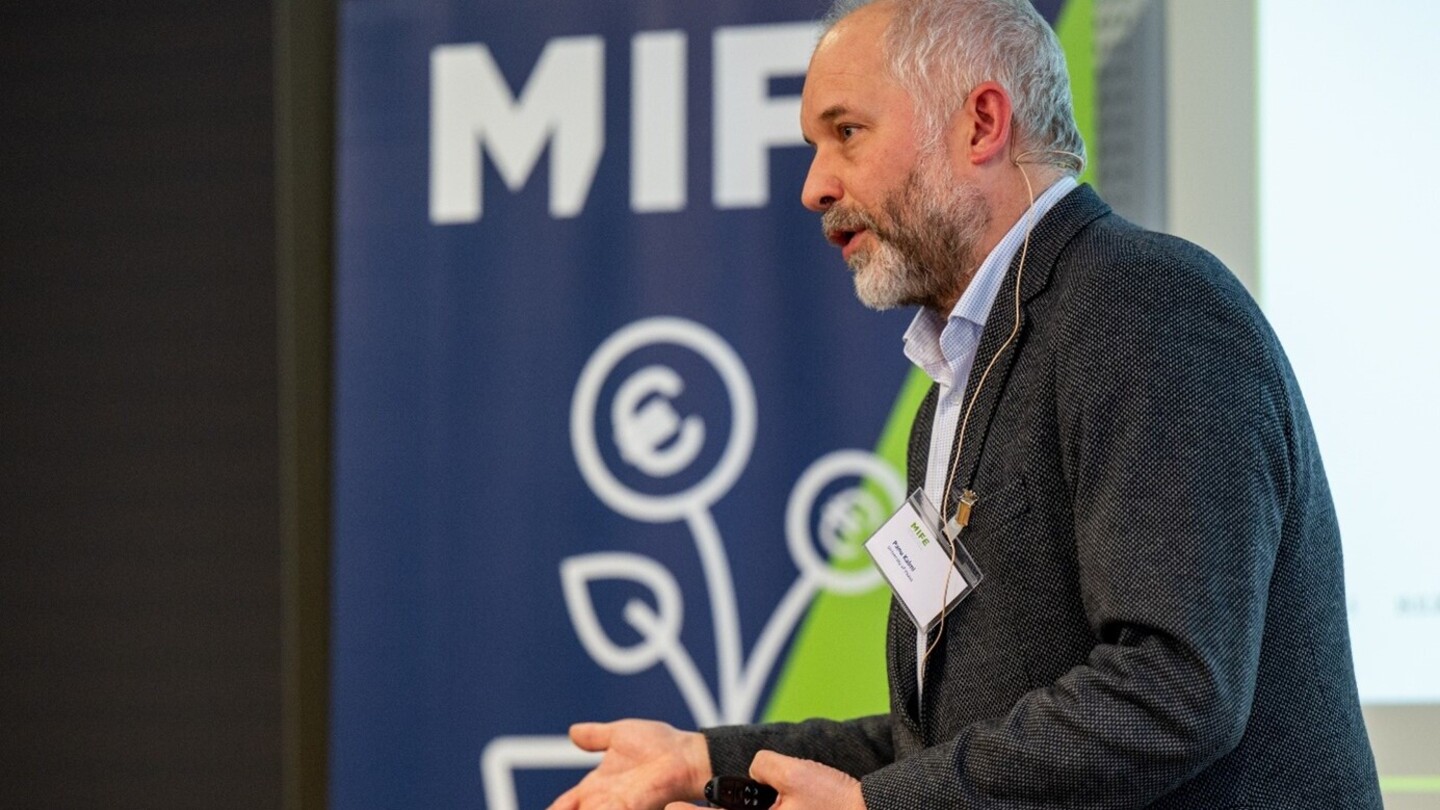
The third keynote speech by Prof. Panu Kalmi, Ph.D. (University of Vaasa, Finland) focused on the role of digital technologies in financial education. He emphasized that digital financial education is important for navigating the online world and avoiding fraud. He also discussed the use of games. These should not be used in isolation, but combined with clear learning objectives, guidance, reflection, and feedback so that what has been learned can also be applied in everyday life.
Javier Guibert-Suarez from the European Commission presented the EU strategy for financial education. As surveys show that financial literacy is generally low in the EU, the EU wants to raise awareness and support member states in developing financial education strategies and improving services. Plans include more exchange of best practices, stronger communication, monitoring of impact, and financial support for projects. The next step is to push ahead with implementation, including financial education ambassadors in all member states and clear thematic priorities.
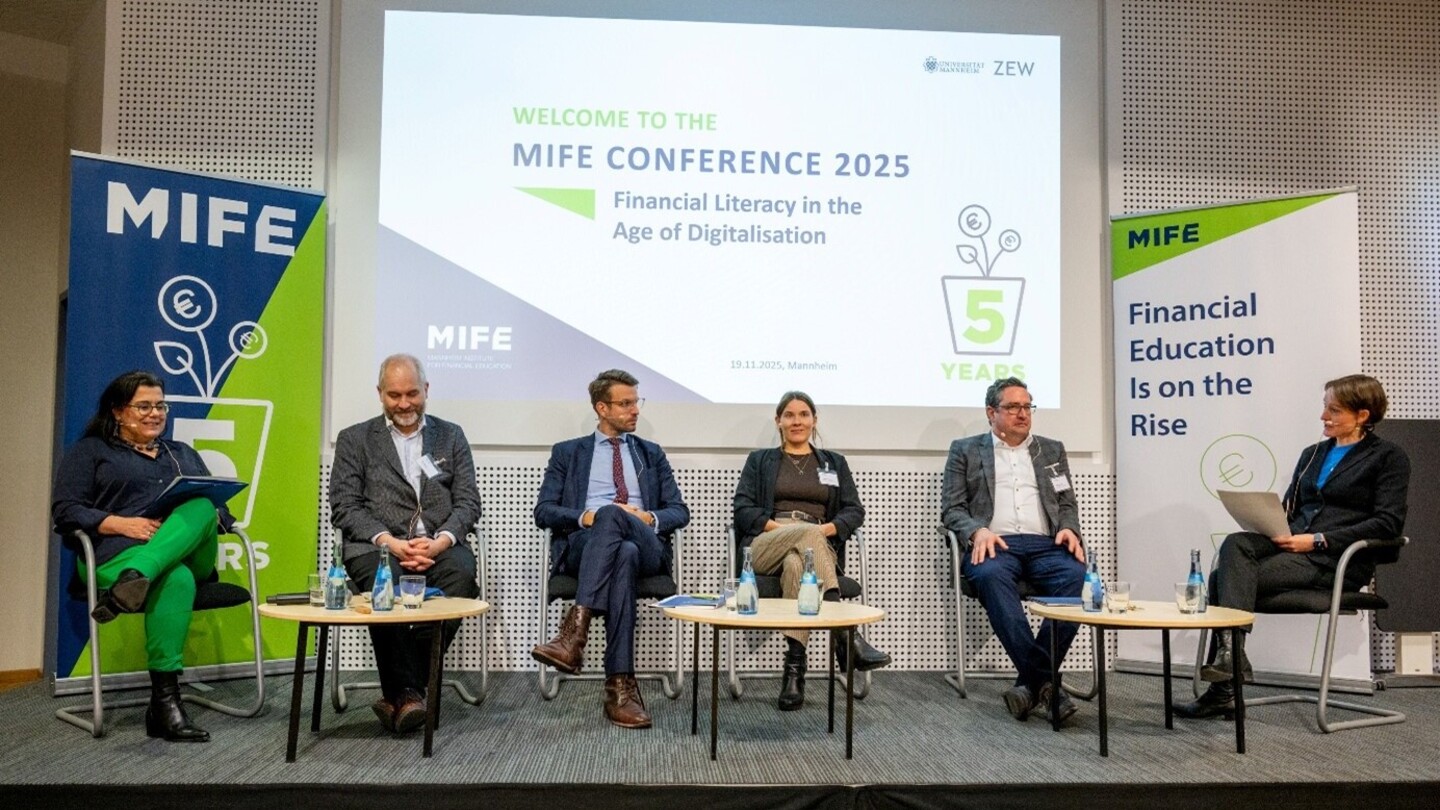
Moderated by MIFE directors Prof. Dr. Carmela Aprea and Prof. Dr. Tabea Bucher-Koenen, Dr. Renke Deckarm (Regional Office of the European Commission), Prof. Panu Kalmi, Ph.D. (University of Vaasa, Finland), Prof. Dr. Dirk Loerwald (IÖB) and Vanessa Müden (Federal Ministry of Finance) discussed the topic “The EU Financial Literacy Strategy: Implications for Germany.” The European Commission's strategy paper, published in September, was taken up and its significance for the financial education strategy in Germany was discussed. Germany could build on the EU strategy and the experiences and best practices of other member states. The further development of the financial education strategy requires a scientifically sound basis, supported by appropriate measurement tools, as well as cooperation with relevant stakeholders in order to develop evidence-based offers.
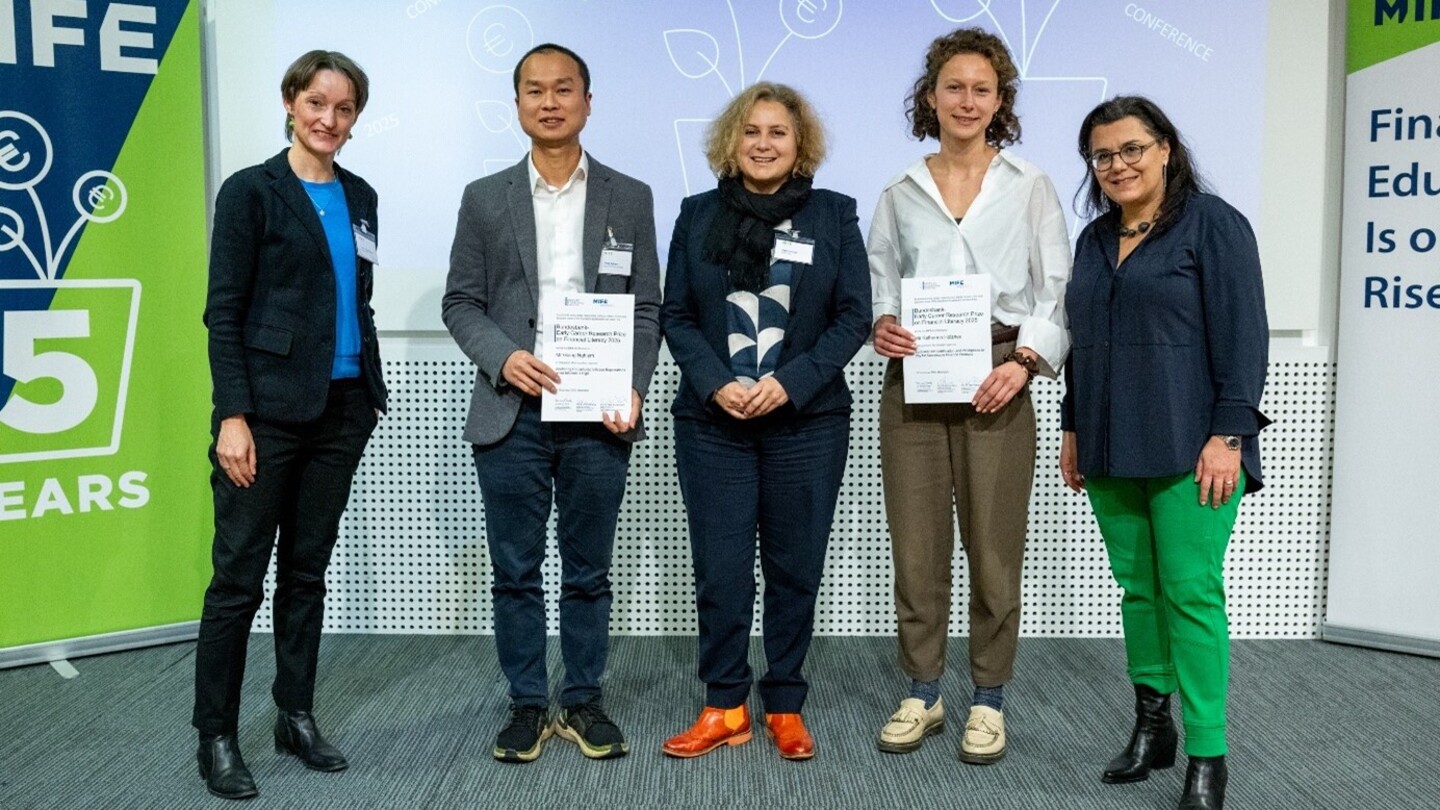
Subsequently, the “Bundesbank Early Career Research Prize on Financial Literacy” was awarded for the fifth time by Dr. Patricia Staab (Deutsche Bundesbank). This year's awards went to Katharina Holzheu (ifo Center for Education Economics) for her paper “Bank-Advisor Certification and Willingness to Pay for Sustainable Finance Products” – which she co-authored with Dr. Tobias Wekhof (ETH Zurich, Switzerland) – and to Dr. Giang Nghiem (Leibniz University Hannover) for his research paper “Anchoring Households' Inflation Expectations when Inflation is High,” which he co-authored with Prof. Dr. Lena Dräger (Leibniz University Hannover) and Ami Dalloul (University of Duisburg-Essen).
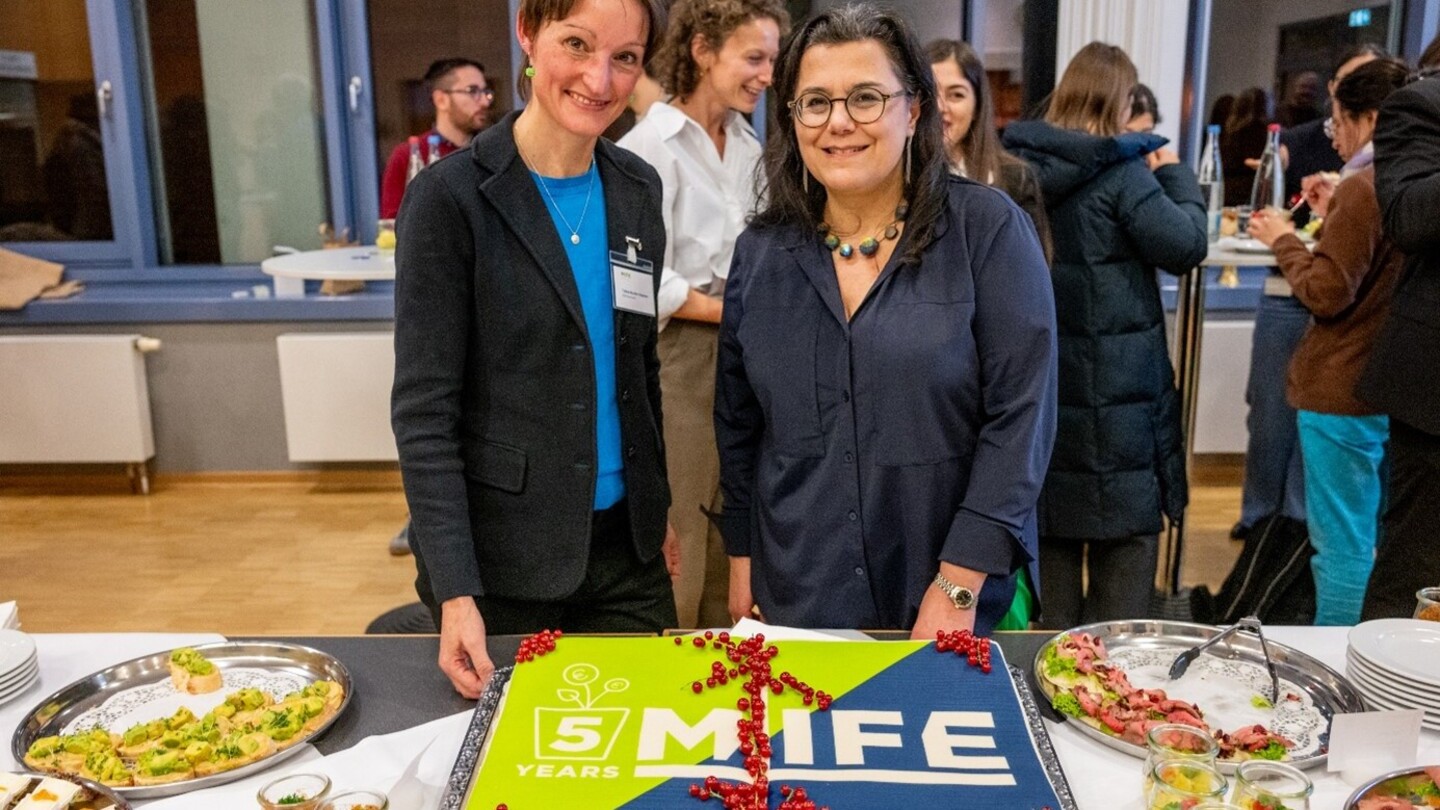
On the occasion of MIFE's fifth anniversary, Prof. Dr. Cornelia Ruhe (University of Mannheim) and Claudia von Schuttenbach (ZEW) praised the achievements and successes that MIFE and its members have accomplished in the five years since its founding.
Carmela Aprea and Tabea Bucher-Koenen then presented the developments at MIFE, which has not only grown significantly in terms of personnel, but has also contributed scientifically to many questions and discussions in financial education research: A total of 16 third-party funded projects were successfully acquired, accompanied by a large number of publications and presentations in Europe and the US. Key formats have been established with the MIFE Research Days, the MIFE conferences, and workshops for young researchers. In addition, lively exchanges and collaborations with partners from practice and politics have developed.
At the end, all participants gathered at a reception to bring the conference to a close and celebrate MIFE's 5th anniversary. A slideshow with pictures from recent years provided a vivid review of the development of MIFE. In addition, there was an opportunity to record experiences and impressions from the past five years of MIFE in a digital guestbook and to share congratulations.
As in previous years, this year's MIFE Conference was followed by the MIFE Early Career Workshop, where fourteen young researchers presented and discussed their research contributions.