Exhibition Series
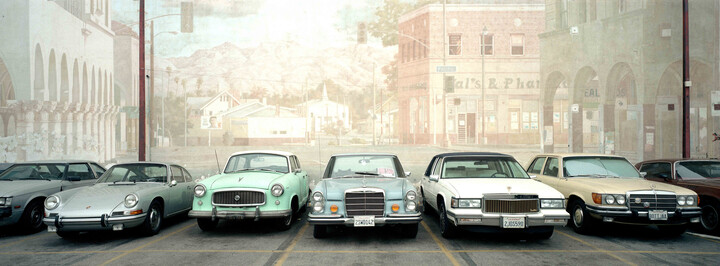
Horst Hamann: 5 Stationen (5 Stations)
With its high walls and expansive corridors, the Schloss provides an ideal setting for the panoramic photographs of Horst Hamann. Since June 2014, the University of Mannheim has been presenting around 70 works by the Mannheim-based artist in this historic space.
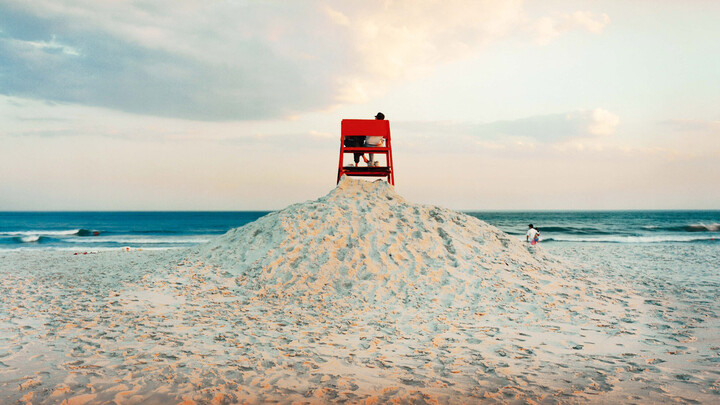
Hamann achieved his international breakthrough in New York City. With New York Vertical, he captured the metropolis from an entirely new perspective. The panoramic format—both vertical and horizontal—plays a central role in his work, as does the United States, which has become his second home.
The exhibition 5 Stationen (5 Stations) at the University of Mannheim brings together some of Hamann’s most significant panoramic works. At the same time, it traces his artistic beginnings and presents views of Mannheim rendered in an extreme photographic format.




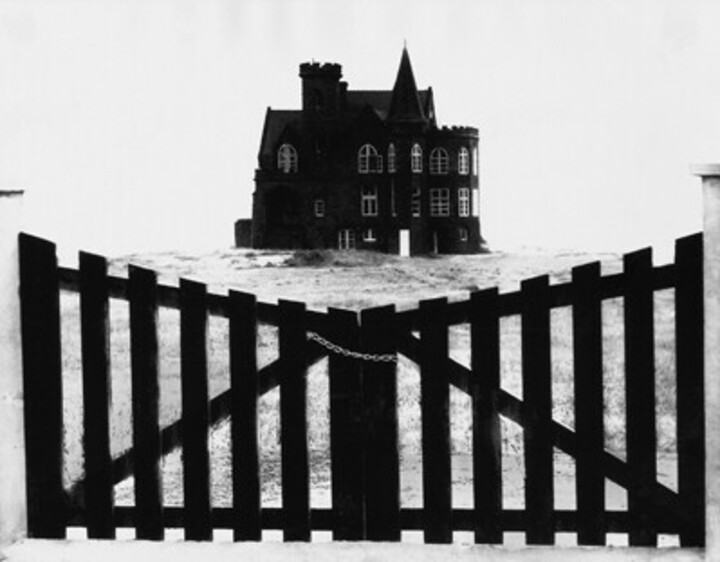
Robert Häusser: Lebens-Räume (Living Spaces)
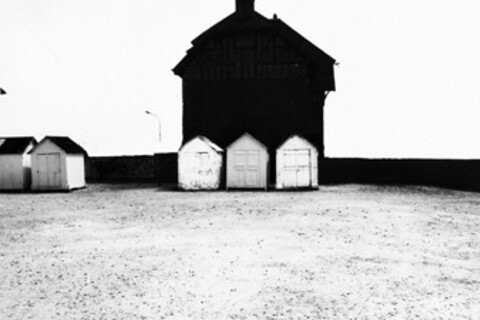
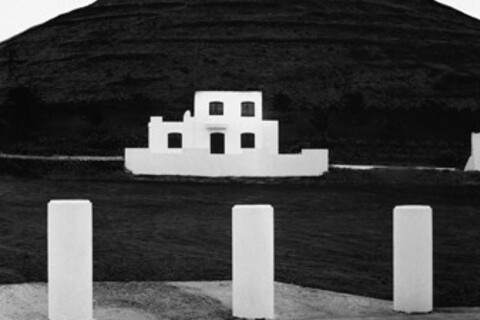
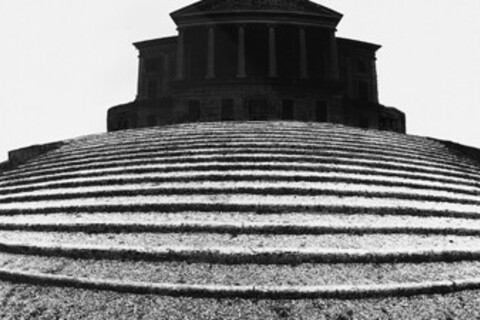
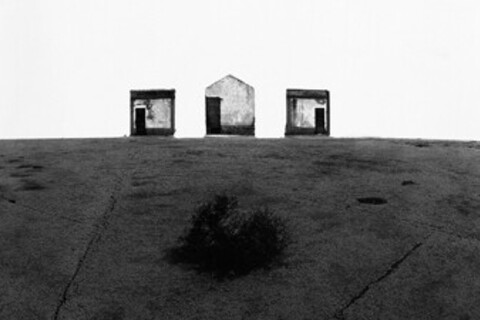
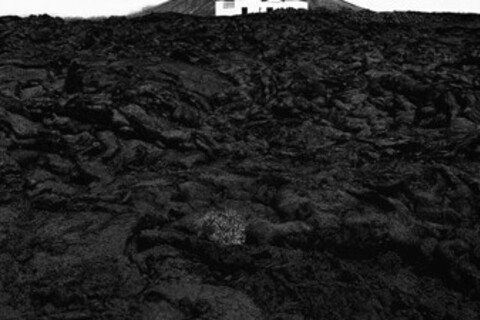
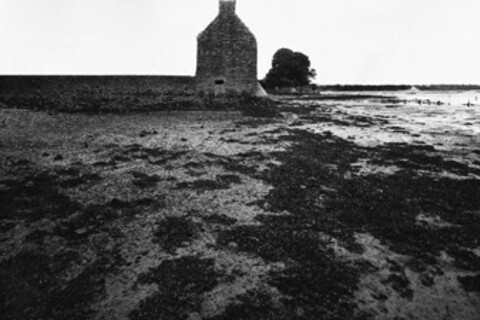
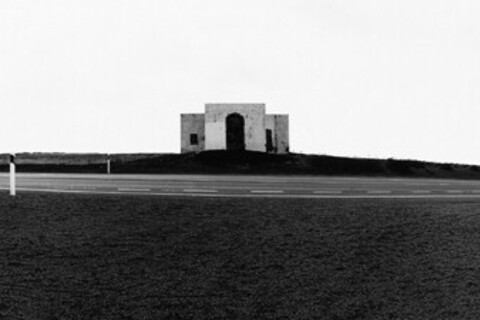
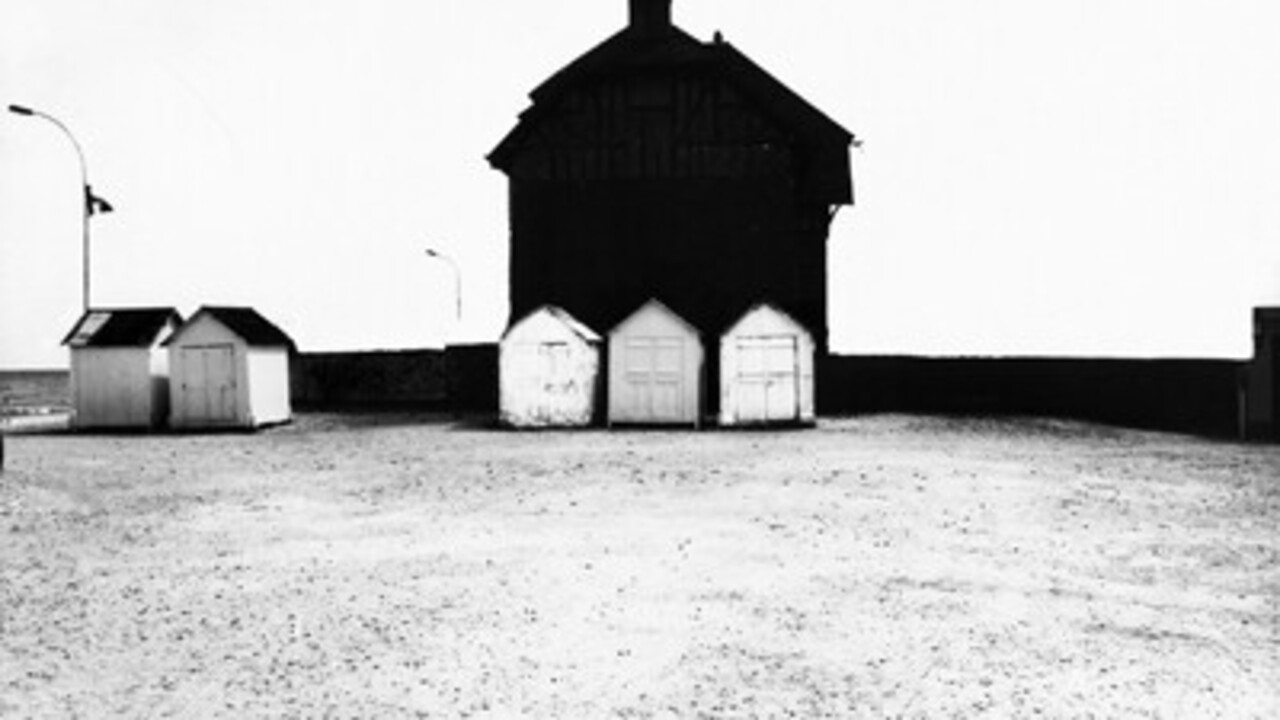
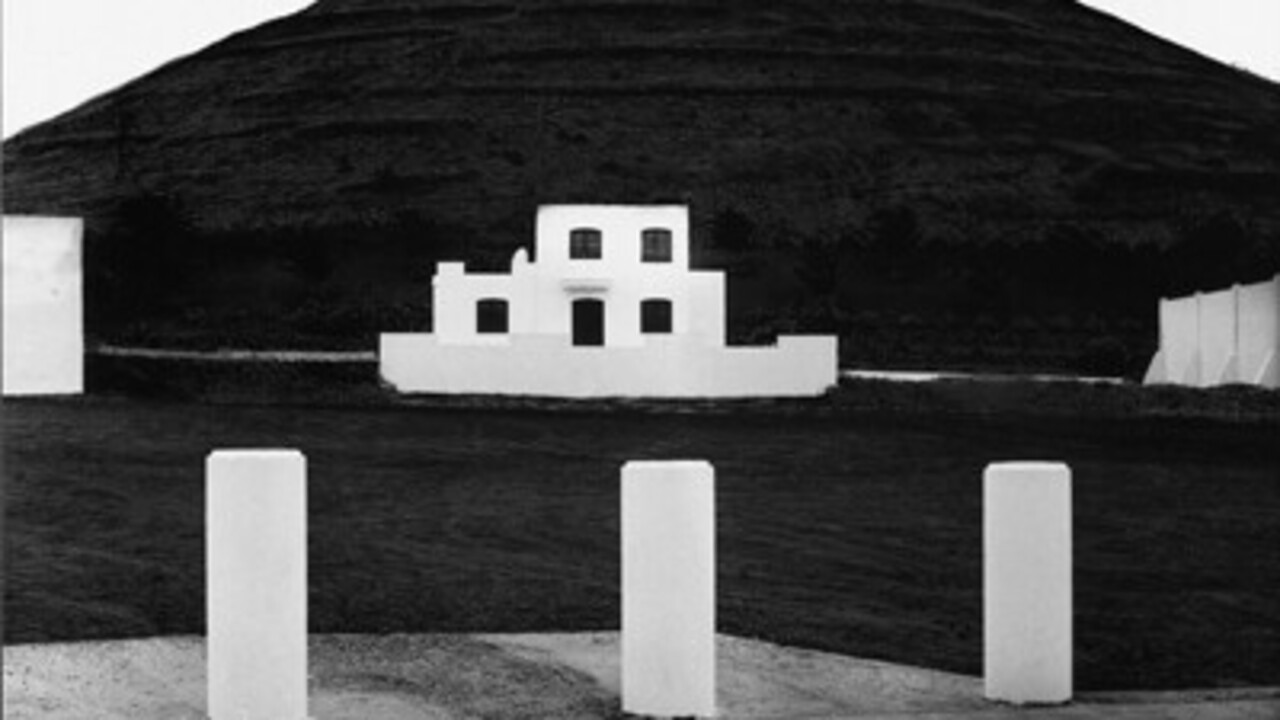
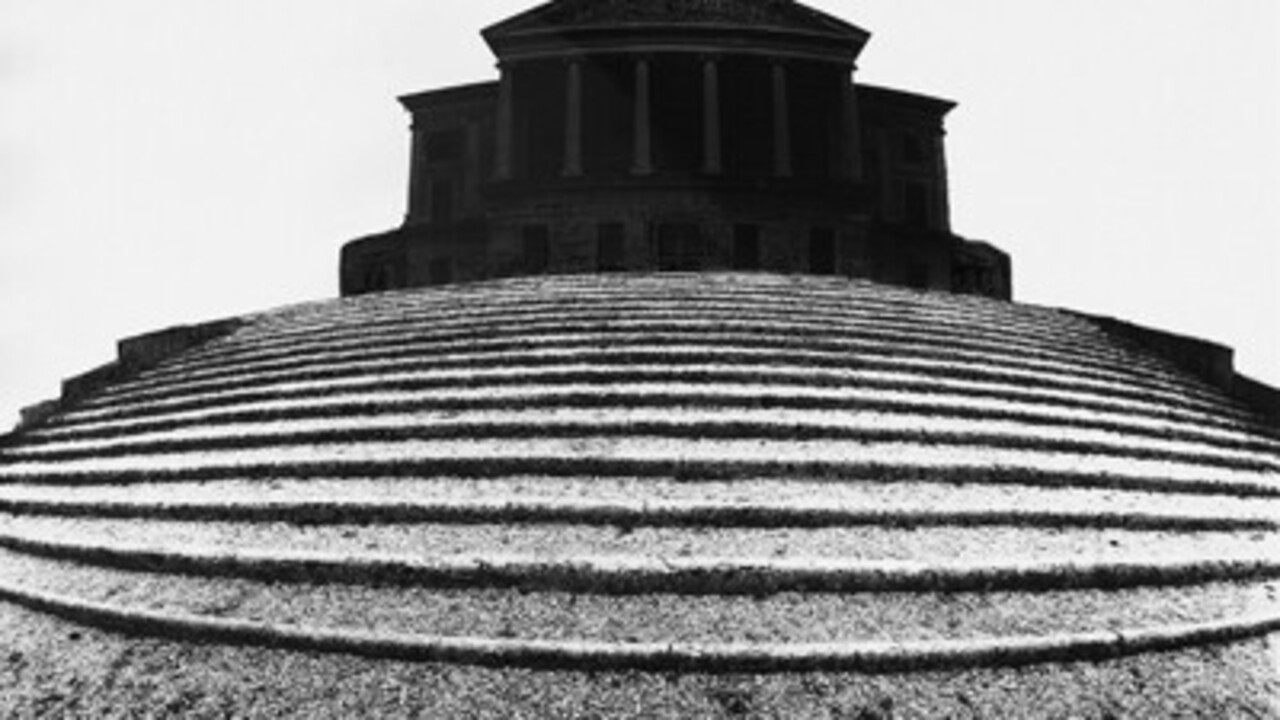
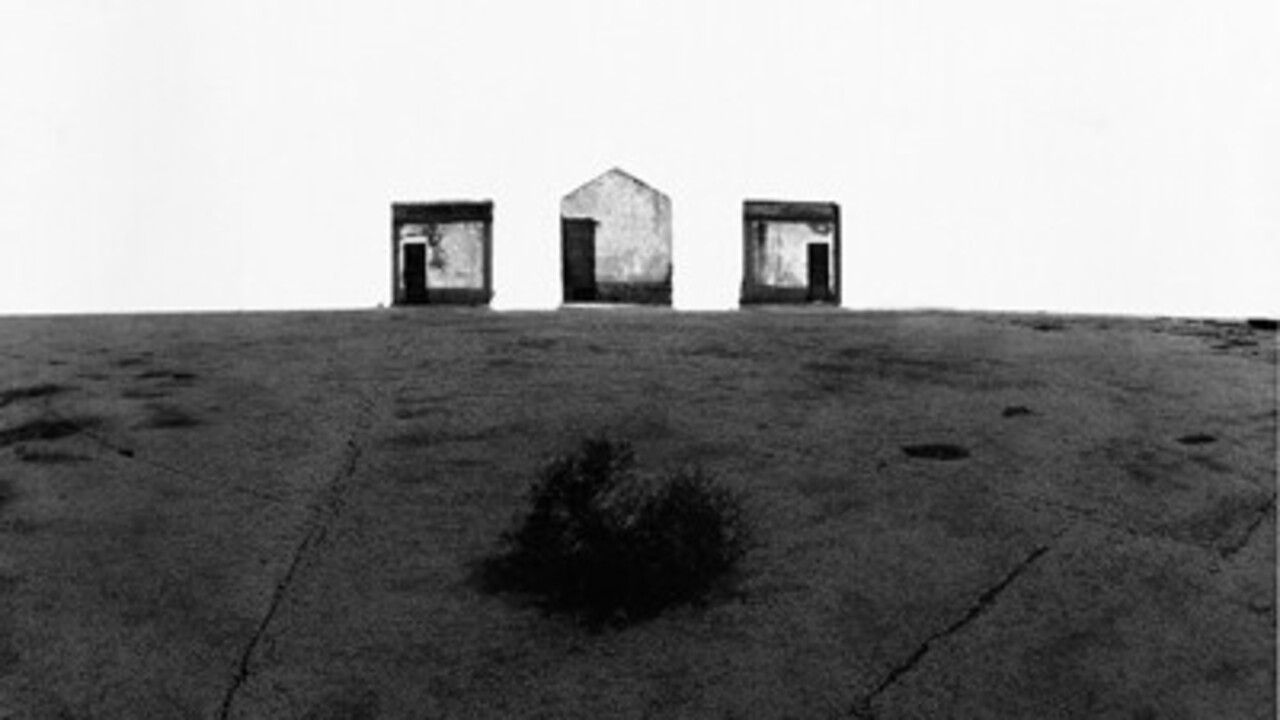
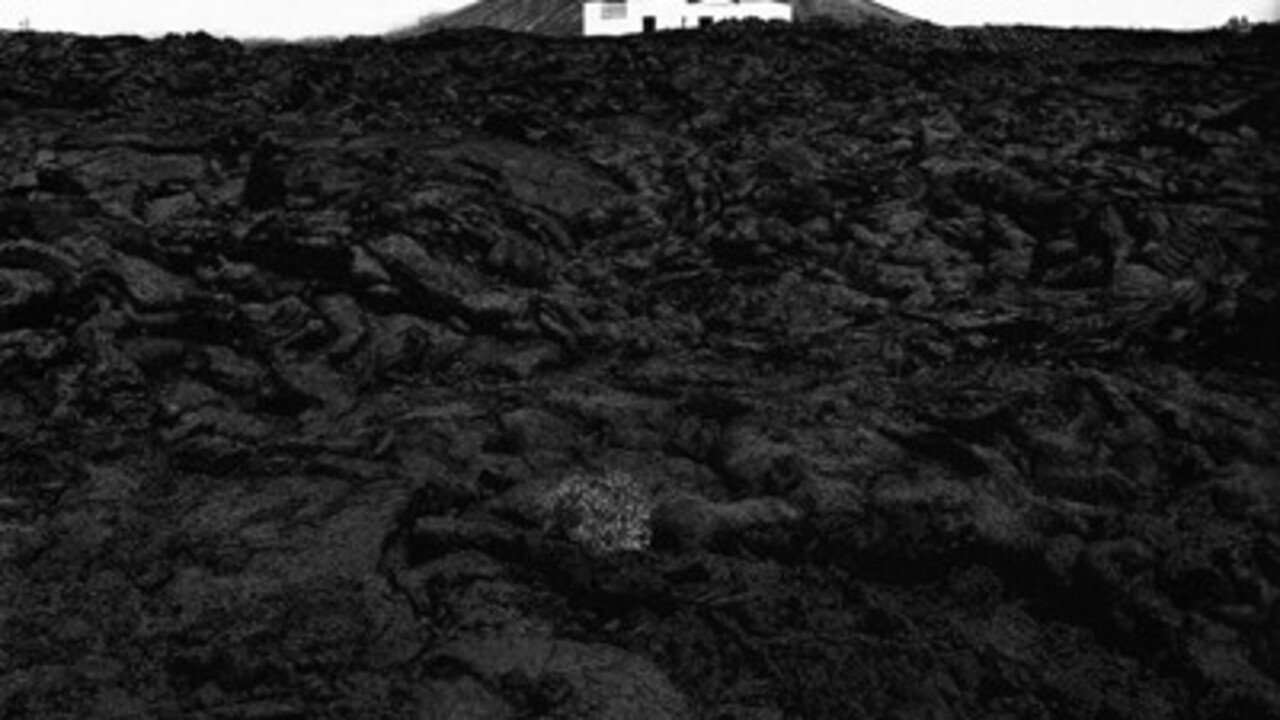
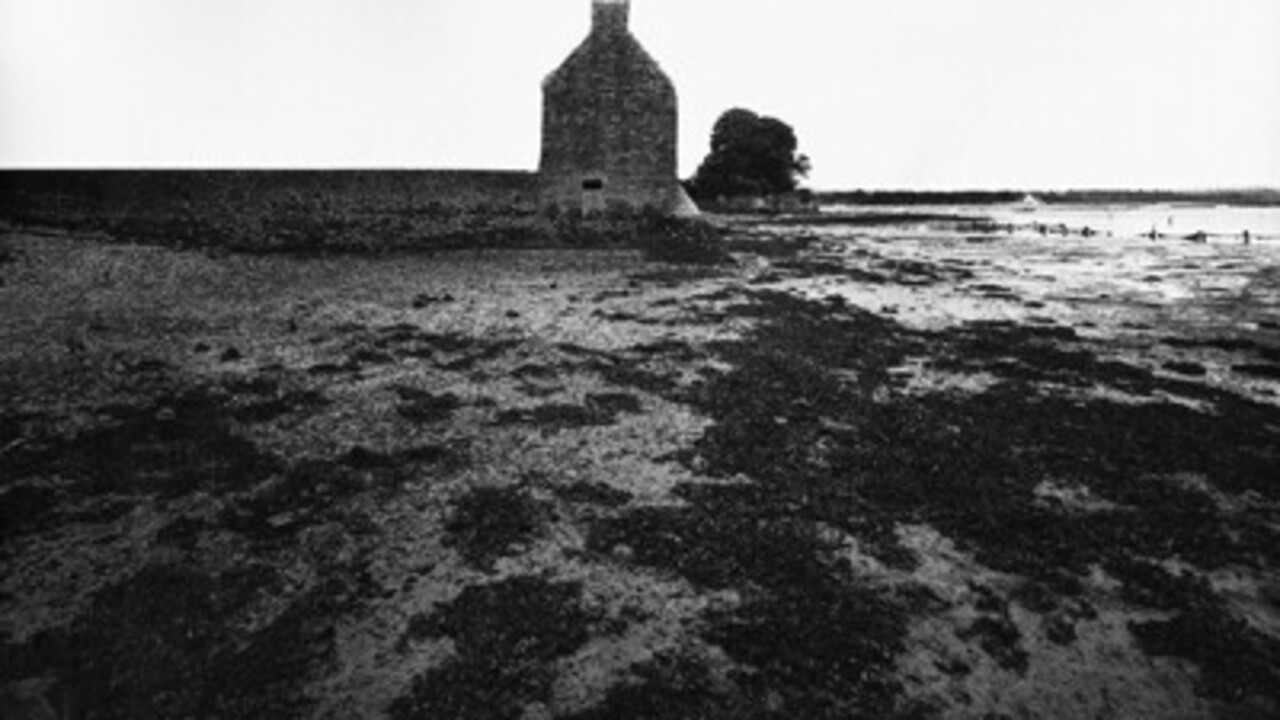
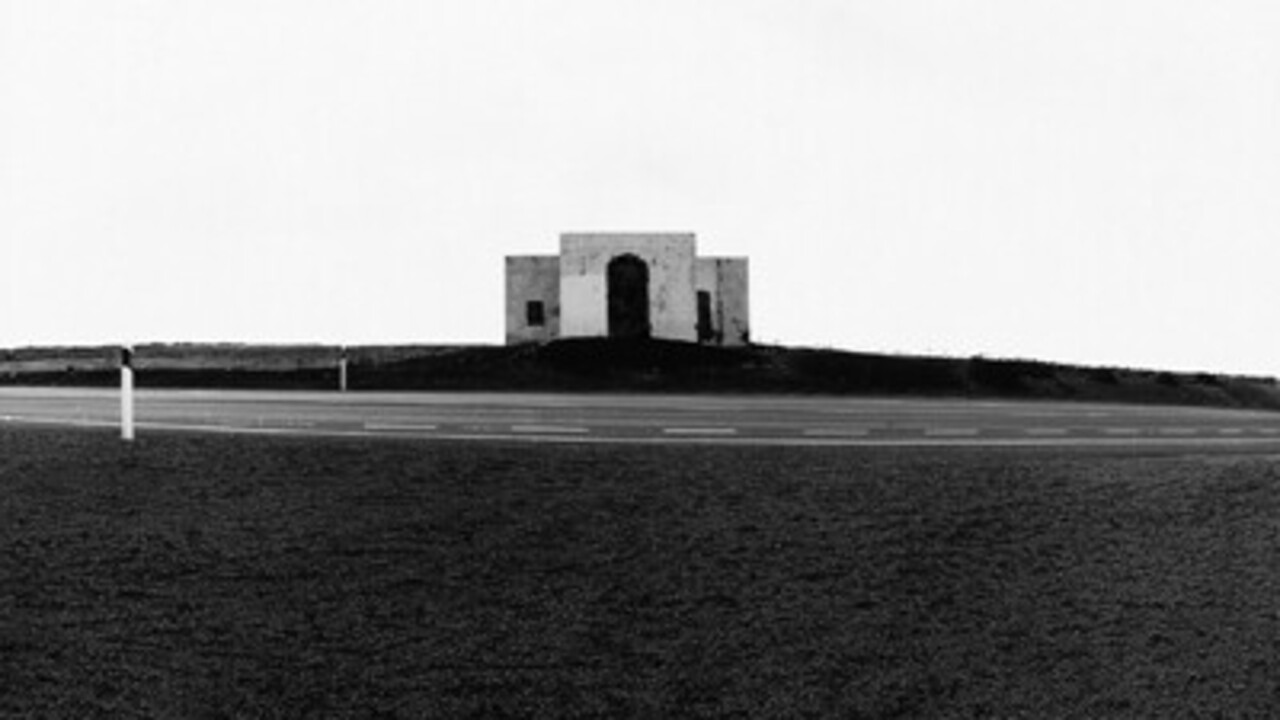
Black-and-white and devoid of human presence, the landscapes and architectural forms in Häusser’s photographs confront the viewer with perspectives and lighting conditions that would otherwise remain almost imperceptible to the naked eye.
In February 2011, the exhibition Lebens-Räume (Living Spaces) by the Mannheim-based artist opened on the first floor of the Ostflügel, presented in cooperation with the Reiss-Engelhorn Museums.
On view are nineteen large-format photographs from Häusser’s Behausungen (Dwellings) series.
An internationally renowned post-war photographer, Häusser was the first German artist to receive the Hasselblad Award in 1995—an honor widely regarded as the “Nobel Prize of photography.”
Read more about Robert Häusser
The contemporary artist began taking photographs as an adolescent and developed a distinctive visual language at a very early stage. Positioned at the intersection of nature and civilization, his work consistently explores the interplay between content and form. Many of his almost exclusively black-and-white photographs anticipated later artistic movements.
Häusser's compositions frequently address themes of melancholy, transience, and loneliness—motifs that can be linked to his family’s suffering under National Socialism. As a result, human figures rarely appear in his early works. His imagery shows a clear intellectual affinity with artists such as Caspar David Friedrich, Edward Hopper, and Giorgio de Chirico.
In 2003, he donated his complete artistic estate—comprising more than 64,000 photographs, color slides, and negatives—to the Forum Internationale Photographie (FIP) at the Reiss-Engelhorn Museums in Mannheim. Together with the Forum’s chairman, Dr. Claude Sui, he selected 19 photographs for the exhibition at Schloss Mannheim.