

Radicalism, Extremism, Fundamentalism: International Study Finds Numerous Commonalities—and Certain Differences
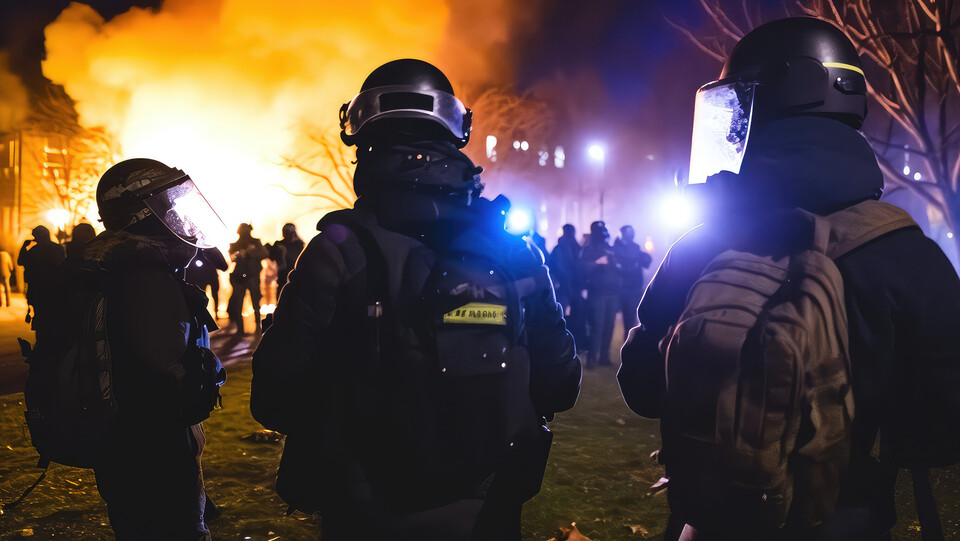
From a social sciences perspective, people with radical, extremist, or fundamentalist attitudes are similar in some respects: In most cases, they are younger and less educated men who feel that they are not taken seriously enough. This is one of the key findings of a research team led by professor Marc Helbling, sociologist at the University of Mannheim focusing on Migration and Integration and Executive Board member of the Mannheim Centre for European Social Research (MZES).
Together with his MZES colleague Nina Fadarkhan Osenbrügge and Dr. Sebastian Jungkunz (University of Halle and University of Bamberg), Helbling has, for the first time, systematically compared radicalism, extremism, and fundamentalism in Germany and across various European countries on a large scale. “Using newly developed and validated measures, we make commonalities and differences more clearly visible and can better understand the backgrounds of these tendencies—this facilitates developing effective prevention and countermeasures,” Marc Helbling says, outlining the relevance of the study.