
Important information about Economics courses
Bachelor's student can choose their economics courses from the bachelor's level courses only. Master's level courses are usually not open to bachelor/
Exchange students from other schools and departments may only attend economics lectures if they meet the prerequisites. Please contact the exchange coordinator, Ms. Christiane Cischinsky (cischinsky@uni-mannheim.de). Bachelor’s level seminars are usually only open for economics students.
Master's student can choose their economics courses freely from the elective modules available at the department, as long as you fulfill the prerequisites for each course. The core modules (E601–603 and E700–703) are not open to exchange students. If your home university agrees you are also allowed to attend bachelor's level courses.
Exchange students from other schools and departments may contact the exchange coordinator, Mr. Sebastian Herdtweck (econgrad@uni-mannheim.de), to check their eligibility.
Detailed information can be found on the department's websites:
Suchfilter
Bachelor
| Dienstag (wöchentlich) | 08.09.2026 – 08.12.2026 | 08:30 – 10:00 | ZOOM-Lehre-039; Virtuelles Gebäude |
| Donnerstag (wöchentlich) | 10.09.2026 – 10.12.2026 | 10:15 – 11:45 | 001.A Hörsaal; A 3 Bibl.,Hörsaalgebäude |
| Donnerstag (wöchentlich) | 10.09.2026 – 10.12.2026 | 08:30 – 10:00 | SO 108 Hörsaal; Schloss Schneckenhof Ost |
| Donnerstag (Einzeltermin) | 10.09.2026 | 15:30 – 17:00 | SN 163 Manfred Lautenschläger Hörsaal; Schloss Schneckenhof Nord |
| Dienstag (2-wöchentlich) | 22.09.2026 – 08.12.2026 | 12:00 – 13:30 | ZOOM-Lehre-039; Virtuelles Gebäude |
| Mittwoch (wöchentlich) | 09.09.2026 – 09.12.2026 | 08:30 – 10:00 | P 043 Seminarraum; L 7, 3–5 |
| Dienstag (wöchentlich) | 08.09.2026 – 08.12.2026 | 08:30 – 10:00 | S 031 Seminarraum; L 7, 3–5 |
| Dienstag (2-wöchentlich) | 08.09.2026 – 01.12.2026 | 10:15 – 11:45 | S 031 Seminarraum; L 7, 3–5 |
| Freitag (wöchentlich) | 11.09.2026 – 11.12.2026 | 08:30 – 10:00 | 158 PC-Pool; L 7, 3–5 |
| Freitag (wöchentlich) | 11.09.2026 – 11.12.2026 | 10:15 – 12:45 | 157 Seminarraum; L 7, 3–5 |
| Freitag (wöchentlich) | 11.09.2026 – 18.09.2026 | 15:30 – 17:00 | W 117 Hörsaal; Schloss Westflügel |
| Freitag (wöchentlich) | 25.09.2026 – 11.12.2026 | 15:30 – 17:00 | B 144 Hörsaal; A 5, 6 Bauteil B |
| Montag (wöchentlich) | 07.09.2026 – 07.12.2026 | 17:15 – 18:45 | 001 Hörsaal; L 7, 3–5 |
| Donnerstag (2-wöchentlich) | 10.09.2026 – 03.12.2026 | 13:45 – 15:15 | 001 Hörsaal; L 7, 3–5 |
| Montag (Einzeltermin) | 07.09.2026 | 13:45 – 15:15 | |
| Donnerstag (Einzeltermin) | 01.10.2026 | 09:00 – 17:00 | SO 133 Seminarraum; Schloss Schneckenhof Ost |
| Freitag (Einzeltermin) | 02.10.2026 | 09:00 – 17:00 | P 043 Seminarraum; L 7, 3–5 |
| Mittwoch (wöchentlich) | 09.09.2026 – 09.12.2026 | 10:15 – 11:45 | 003 Seminarraum; L 9, 1–2 |
| Mittwoch (2-wöchentlich) | 09.09.2026 – 09.12.2026 | 12:00 – 13:30 | 158 PC-Pool; L 7, 3–5 |
| Donnerstag (wöchentlich) | 10.09.2026 – 10.12.2026 | 17:15 – 18:45 | 001 Hörsaal; L 7, 3–5 |
| Freitag (2-wöchentlich) | 11.09.2026 – 11.12.2026 | 13:45 – 15:15 | O 129 Göhringer Hörsaal; Schloss Ostflügel |
| Dienstag (wöchentlich) | 08.09.2026 – 08.12.2026 | 12:00 – 13:30 | S 031 Seminarraum; L 7, 3–5 |
| Donnerstag (2-wöchentlich) | 10.09.2026 – 10.12.2026 | 08:30 – 10:00 | 001 Hörsaal; L 7, 3–5 |
| Montag (wöchentlich) | 07.09.2026 – 07.12.2026 | 10:15 – 11:45 | S 031 Seminarraum; L 7, 3–5 |
| Donnerstag (wöchentlich) | 10.09.2026 – 10.12.2026 | 15:30 – 17:00 | S 031 Seminarraum; L 7, 3–5 |
| Montag (wöchentlich) | 07.09.2026 – 07.12.2026 | 10:15 – 11:45 | 001.A Hörsaal; A 3 Bibl.,Hörsaalgebäude |
| Mittwoch (wöchentlich) | 09.09.2026 – 09.12.2026 | 10:15 – 11:45 | 001.A Hörsaal; A 3 Bibl.,Hörsaalgebäude |
| Montag (wöchentlich) | 07.09.2026 – 07.12.2026 | 13:45 – 15:15 | 001.A Hörsaal; A 3 Bibl.,Hörsaalgebäude |
| Mittwoch (wöchentlich) | 09.09.2026 – 09.12.2026 | 13:45 – 15:15 | 001.A Hörsaal; A 3 Bibl.,Hörsaalgebäude |
| Dienstag (wöchentlich) | 08.09.2026 – 08.12.2026 | 10:15 – 11:45 | ZOOM-Lehre-119; Virtuelles Gebäude |
| Freitag (wöchentlich) | 11.09.2026 – 11.12.2026 | 10:15 – 11:45 | ZOOM-Lehre-063; Virtuelles Gebäude |
| Mittwoch (wöchentlich) | 09.09.2026 – 09.12.2026 | 17:15 – 18:45 | SN 169 Röchling Hörsaal; Schloss Schneckenhof Nord |
| Dienstag (wöchentlich) | 08.09.2026 – 08.12.2026 | 15:30 – 17:00 | 003 Seminarraum; L 9, 1–2 |
| Donnerstag (wöchentlich) | 10.09.2026 – 10.12.2026 | 10:15 – 11:45 | 003 Seminarraum; L 9, 1–2 |
| Mittwoch (wöchentlich) | 09.09.2026 – 09.12.2026 | 10:15 – 12:30 | S 031 Seminarraum; L 7, 3–5 |
| Mittwoch (wöchentlich) | 09.09.2026 – 09.12.2026 | 13:45 – 15:15 | 001 Hörsaal; L 7, 3–5 |
This seminar has limited capacity. Registration is not possible via Portal2. Exchange students from the Department of Economics will receive registration information by email.
Exchange students from other schools who possess the required prior knowledge may register for this seminar by email to Ms. Christiane Cischinsky (cischinskyuni-mannheim.de). Please attach your transcript of records.
Austauschstudierende anderer Abteilungen, die über die erforderlichen Vorkenntnisse verfügen, können sich per E-Mail bei Frau Christiane Cischinsky (cischinskyuni-mannheim.de) für dieses Seminar anmelden. Bitte fügen Sie Ihr Transcript of Records (Notenauszug) bei.
Die Literaturliste finden Sie HIER oder auf unserer Website:
| Montag (Einzeltermin) | 07.09.2026 | 16:15 – 17:45 | 357 Seminarraum; L 7, 3–5 |
| Mittwoch (Blocktermin) | 11.11.2026 – 12.11.2026 | 08:30 – 17:30 |
| Mittwoch (Einzeltermin) | 09.09.2026 | 12:00 – 13:30 | B 144 Hörsaal; A 5, 6 Bauteil B |
| Freitag (wöchentlich) | 11.09.2026 – 11.12.2026 | 08:30 – 10:00 | O 142 Engelhorn Hörsaal; Schloss Ostflügel |
| Freitag (2-wöchentlich) | 11.09.2026 – 11.12.2026 | 15:30 – 17:00 | O 142 Engelhorn Hörsaal; Schloss Ostflügel |
| Freitag (Einzeltermin) | 18.09.2026 | 15:30 – 17:00 | O 142 Engelhorn Hörsaal; Schloss Ostflügel |
| Freitag (wöchentlich) | 11.09.2026 – 11.12.2026 | 08:30 – 10:00 | SN 163 Manfred Lautenschläger Hörsaal; Schloss Schneckenhof Nord |
| Freitag (2-wöchentlich) | 11.09.2026 – 11.12.2026 | 15:30 – 17:00 | SN 163 Manfred Lautenschläger Hörsaal; Schloss Schneckenhof Nord |
| Montag (wöchentlich) | 07.09.2026 – 07.12.2026 | 15:30 – 17:00 | P 043 Seminarraum; L 7, 3–5 |
| Mittwoch (wöchentlich) | 09.09.2026 – 09.12.2026 | 15:30 – 17:00 | 002 Seminarraum; L 9, 1–2 |
| Dienstag (wöchentlich) | 08.09.2026 – 08.12.2026 | 17:15 – 18:45 | S 031 Seminarraum; L 7, 3–5 |
| Freitag (wöchentlich) | 11.09.2026 – 11.12.2026 | 15:30 – 17:00 | 001 Hörsaal; L 7, 3–5 |
| Dienstag (2-wöchentlich) | 08.09.2026 – 08.12.2026 | 17:15 – 18:45 | O 151 Hans Luik Hörsaal; Schloss Ostflügel |
| Mittwoch (wöchentlich) | 09.09.2026 – 09.12.2026 | 13:45 – 15:15 | O 148 MVV Hörsaal; Schloss Ostflügel |
| Montag (wöchentlich) | 07.09.2026 – 07.12.2026 | 08:30 – 10:00 | SN 163 Manfred Lautenschläger Hörsaal; Schloss Schneckenhof Nord |
| Montag (2-wöchentlich) | 07.09.2026 – 07.12.2026 | 17:15 – 18:45 | SN 163 Manfred Lautenschläger Hörsaal; Schloss Schneckenhof Nord |
| Freitag (wöchentlich) | 11.09.2026 – 11.12.2026 | 12:00 – 13:30 | O 129 Göhringer Hörsaal; Schloss Ostflügel |
| Freitag (2-wöchentlich) | 18.09.2026 – 11.12.2026 | 13:45 – 15:15 | O 129 Göhringer Hörsaal; Schloss Ostflügel |
Dieses Seminar hat eine begrenzte Teilnehmerzahl. Eine Anmeldung ist nicht über Portal2 möglich. Austauschstudierende der volkswirtschaftlichen Abteilung erhalten die Anmeldeinformationen per E-Mail.
Austauschstudierende anderer Abteilungen, die über die erforderlichen Vorkenntnisse verfügen, können sich per E-Mail bei Frau Christiane Cischinsky (cischinskyuni-mannheim.de) für dieses Seminar anmelden. Bitte fügen Sie Ihr Transcript of Records (Notenauszug) bei.
| Dienstag (Einzeltermin) | 08.09.2026 | 13:45 – 15:15 | ZOOM-Lehre-135; Virtuelles Gebäude |
| Dienstag (Einzeltermin) | 20.10.2026 | 13:45 – 15:15 | ZOOM-Lehre-078; Virtuelles Gebäude |
| Freitag (Einzeltermin) | 13.11.2026 | 08:30 – 18:45 | P 043 Seminarraum; L 7, 3–5 |
| Freitag (Einzeltermin) | 20.11.2026 | 08:30 – 18:45 | P 043 Seminarraum; L 7, 3–5 |
| Montag (wöchentlich) | 07.09.2026 – 07.12.2026 | 12:00 – 13:30 | 158 PC-Pool; L 7, 3–5 |
This seminar has limited capacity. Registration is not possible via Portal2. Exchange students from the Department of Economics will receive registration information by email.
Exchange students from other schools who possess the required prior knowledge may register for this seminar by email to Ms. Christiane Cischinsky (cischinskyuni-mannheim.de). Please attach your transcript of records.
| Mittwoch (wöchentlich) | 09.09.2026 – 09.12.2026 | 11:45 – 13:00 | 219–220 Büro; L 7, 3–5 |
| Freitag (Einzeltermin) | 11.12.2026 | 09:00 – 18:00 | P 043 Seminarraum; L 7, 3–5 |
| Montag (wöchentlich) | 07.09.2026 – 07.12.2026 | 12:00 – 13:30 | SO 108 Hörsaal; Schloss Schneckenhof Ost |
| Donnerstag (wöchentlich) | 10.09.2026 – 10.12.2026 | 13:45 – 15:15 | SO 108 Hörsaal; Schloss Schneckenhof Ost |
| Montag (wöchentlich) | 07.09.2026 – 07.12.2026 | 13:45 – 15:15 | P 043 Seminarraum; L 7, 3–5 |
This seminar has limited capacity. Registration is not possible via Portal2. Exchange students from the Department of Economics will receive registration information by email.
Exchange students from other schools who possess the required prior knowledge may register for this seminar by email to Ms. Christiane Cischinsky (cischinskyuni-mannheim.de). Please attach your transcript of records.
| Dienstag (wöchentlich) | 08.09.2026 – 08.12.2026 | 13:45 – 15:15 | 001 Hörsaal; L 7, 3–5 |
| Mittwoch (wöchentlich) | 09.09.2026 – 09.12.2026 | 15:30 – 17:00 | 001 Hörsaal; L 7, 3–5 |
| Freitag (wöchentlich) | 11.09.2026 – 11.12.2026 | 13:45 – 15:15 | A 001 Großer Hörsaal; B 6, 23–25 Bauteil A |
Master
| Dienstag (wöchentlich) | 08.09.2026 – 08.12.2026 | 12:00 – 13:30 | 002 Seminarraum; L 9, 1–2 |
| Dienstag (wöchentlich) | 08.09.2026 – 08.12.2026 | 13:45 – 15:15 | 002 Seminarraum; L 9, 1–2 |
| Dienstag (wöchentlich) | 08.09.2026 – 08.12.2026 | 15:30 – 17:00 | 158 PC-Pool; L 7, 3–5 |
| Dienstag (wöchentlich) | 08.09.2026 – 08.12.2026 | 17:15 – 18:45 | 158 PC-Pool; L 7, 3–5 |
| Freitag (wöchentlich) | 11.09.2026 – 11.12.2026 | 13:45 – 15:15 | 001 Hörsaal; L 7, 3–5 |
| Freitag (wöchentlich) | 18.09.2026 – 04.12.2026 | 10:15 – 11:45 | 158 PC-Pool; L 7, 3–5 |
| Mittwoch (wöchentlich) | 09.09.2026 – 09.12.2026 | 10:15 – 11:45 | P 044 Seminarraum; L 7, 3–5 |
| Dienstag (2-wöchentlich) | 15.09.2026 – 08.12.2026 | 10:15 – 11:45 | P 044 Seminarraum; L 7, 3–5 |
| Donnerstag (Einzeltermin) | 17.09.2026 | 12:00 – 13:30 | |
| Donnerstag (Einzeltermin) | 24.09.2026 | 12:00 – 13:30 | |
| Donnerstag (Einzeltermin) | 01.10.2026 | 12:00 – 13:30 | |
| Donnerstag (Einzeltermin) | 08.10.2026 | 12:00 – 13:30 | |
| Donnerstag (Einzeltermin) | 03.12.2026 | 09:00 – 17:00 | |
| Freitag (Einzeltermin) | 04.12.2026 | 09:00 – 17:00 |
| Dienstag (wöchentlich) | 08.09.2026 – 08.12.2026 | 08:30 – 10:00 | 003 Seminarraum; L 9, 1–2 |
| Mittwoch (wöchentlich) | 09.09.2026 – 09.12.2026 | 08:30 – 10:00 | 003 Seminarraum; L 9, 1–2 |
| Dienstag (2-wöchentlich) | 08.09.2026 – 08.12.2026 | 10:15 – 11:45 | P 044 Seminarraum; L 7, 3–5 |
| Mittwoch (wöchentlich) | 09.09.2026 – 02.12.2026 | 13:45 – 15:15 | 003 Seminarraum; L 9, 1–2 |
| Dienstag (Einzeltermin) | 08.09.2026 | 10:15 – 11:45 | 003 Seminarraum; L 9, 1–2 |
Goals and contents of the module: The course offers an introduction to international macroeconomics at the graduate level, emphasizing theory and the use of formal dynamic macroeconomic models. Models are used to tackle concrete policy problems. Students are provided with a toolkit and are encouraged to think independently. Topics covered will include (time permitting): current accounts and global imbalances, open-economy real business cycle models, nominal and real exchange rates, nominal rigidities and monetary policy in open economies, financial and exchange rate crises, sovereign debt crises.
Expected competences acquired after completion of the module: The students know international macro models at an advanced level. They are able to understand and to analyze macroeconomic questions arising in the open economy using formal mathematical models. They are able to analyze concrete macroeconomic policy questions.
Further information: Maurice Obstfeld and Kenneth Rogoff (1996): Foundations of International Macroecomics, MIT Press.
Stephanie Schmitt-Grohe and Martin Uribe (2017): Open-economy Macroeconomics, Princeton University Press.
Stephanie Schmitt-Grohe and Martin Uribe and Michael Woodford (2019): International Macroeconomics, Lecture Notes, NYU.
Expected number of students in class: depends on students' choices
Maximum number of students: 20
Contact Information: Name: Jan Schymik; email: jan.schymik@uni-mannheim.de
Contact Department of Economics
Incomings Bachelor
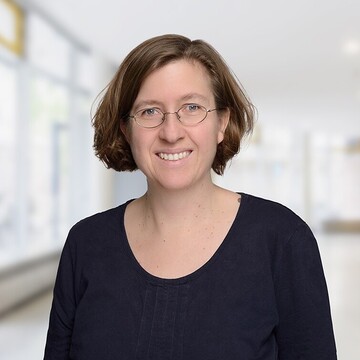
Dr. Christiane Cischinsky (sie/ihr)
Abteilung Volkswirtschaftslehre
L7, 3–5 – Raum 423
68161 Mannheim
Offene Sprechstunde (auch während der vorlesungsfreien Zeit):
Dienstagvormittag, 9.30–12.30 Uhr
oder nach Vereinbarung.
Bitte kontaktieren Sie mich außerhalb der Sprechstunde per E–Mail. Telefonisch bin ich i.d.R. freitagvormittags gut zu erreichen.
Bitte beachten Sie: Am 27. Mai und 2. Juni entfällt meine offene Sprechstunde aufgrund meines Urlaubs (22.05. – 7.6.2026)
Anwesenheit im Büro: Di, Mi, Fr
Incomings Master
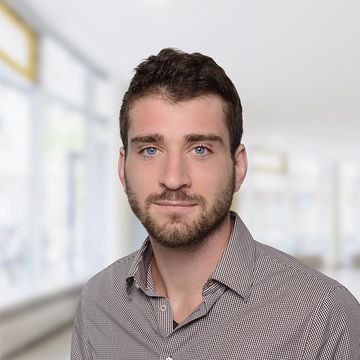
Sebastian Herdtweck (er/ihn)
Abteilung Volkswirtschaftslehre
L 7, 3–5 – Raum 405
68161 Mannheim
Persönliche Sprechstunde: Di und Mi, jeweils 9:30 – 11:30
Telefonische Erreichbarkeit: Di und Mi, 9:30 – 16:30